
Quick Answer: Renovation is often one of the most misunderstood decision areas because homeowners often suffer from “assumption drift.”|The mistake isn’t usually the quality of the work; it’s the belief that a buyer will pay back the emotional energy and specific taste the seller has invested.} If an upgrade doesn’t directly improve those three factors, it is likely a cost rather than a value-add.
Understanding the Gap Between Aesthetic Choices and Market Appeal
A significant distinction between a high-quality renovated space and a project which actually increases the final sale price.|Sellers often spend thousands on high-end tiles or custom cabinetry, assuming the buyer will value it at cost-plus.} However, buyers in regional hubs such as Willaston frequently see these choices as subjective.
Rather than focusing on luxury, smart sellers focus on neutrality and practical upgrades.|The goal of a pre-sale renovation is to remove a buyer’s “reasons to say no” rather than to impose your own “reason to say yes.”} If a bathroom is neutral and functional, the buyer can see the potential of the property expectation drift gawler (simply click the next document) rather than calculating the cost of changing your personal design choices.
Bracket Shifting: How Upgrades Move Your Home into a Different Buyer Bracket
A common hidden pitfalls of spending too much on prep is unintentionally pushing your property into a higher price bracket.|Every suburb has a price ceiling. If your renovations push your expected price above that ceiling, you are suddenly competing with a different class of home.} The buyers in that higher bracket may prefer the newer infrastructure and larger land of the other suburbs, making your renovated cottage look like poor value by comparison.
The Risk of Over-Renovating for Your Local Area
Prior to starting any major project, it is essential analyze the record sales for the specific neighborhood. The “worst house on the best street” is a classic investment rule because the street’s ceiling pulls the value up; being the “best house on the worst street” means the neighborhood’s average pulls your value down.
The Value of Structural Integrity Frequently Save Value More Effectively Than Cosmetic Ones
While these are important, “invisible” improvements often do more to protect your final negotiation leverage. If a building inspection reveals faulty wiring, the purchaser is likely to use this as a powerful negotiation tool to demand a large discount.
- Electrical and Plumbing: Ensuring infrastructure is functional.
- External Maintenance: Clean, functional gutters and a sound roof signal to a buyer that the home has been meticulously cared for, reducing their “mental repair budget.”
- Climate Control: Functional air conditioning in the local weather.|In SA, a broken air conditioner isn’t just a minor flaw; it’s a major reason for a buyer to walk away or demand a significant price concession.}
Common Questions About Renovation Risks
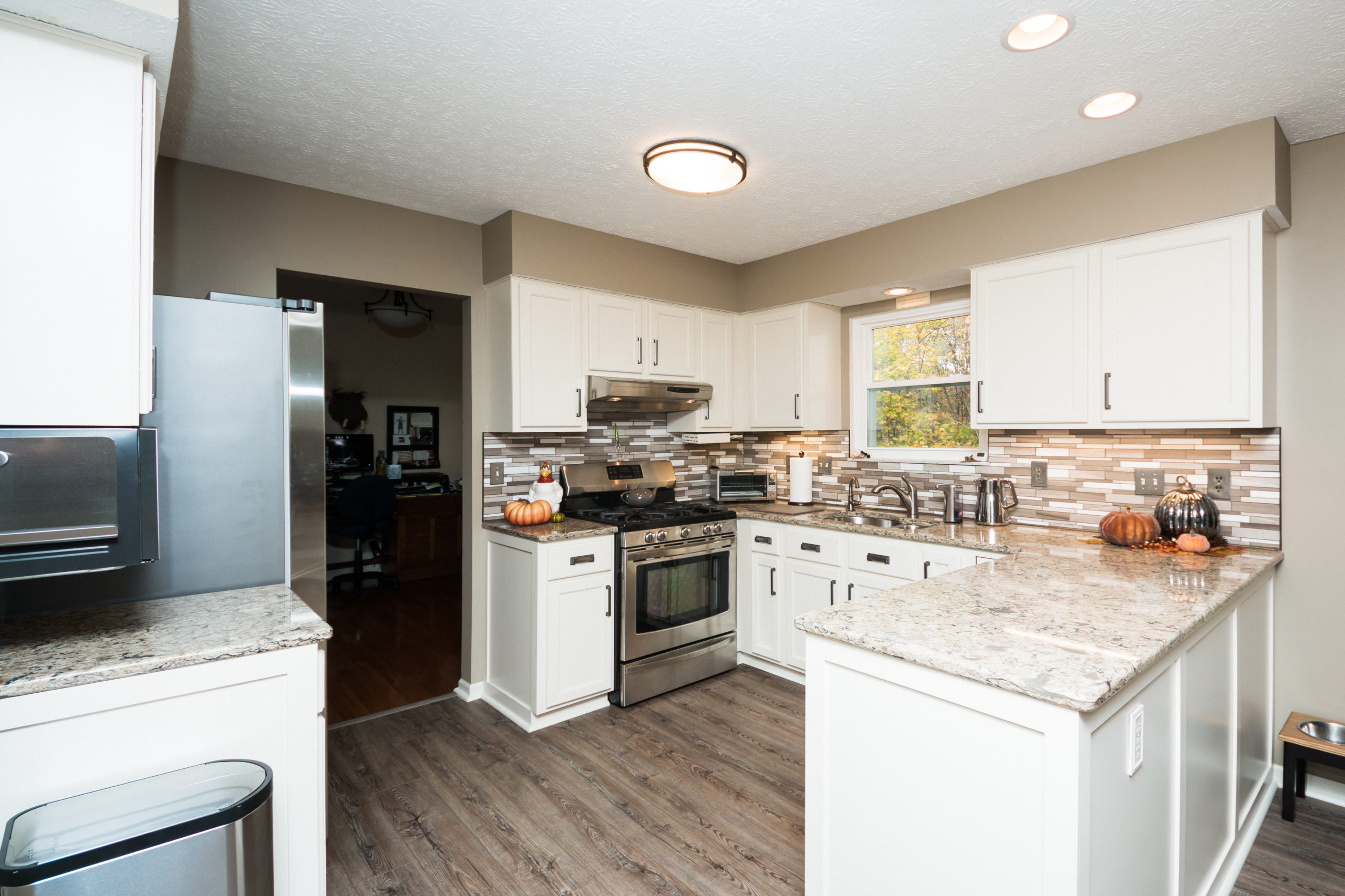
- Will I get my money back on a $30k kitchen?:In regional SA, rarely if the goal is profit. However, spending thirty thousand on high-end finishes is unlikely to yield a $30,000 lift to your sale price.
- Does painting help a house sell faster?:Using a consistent, light, neutral palette (like “antique white” or light greys) makes the home feel larger, brighter, and more move-in ready. It eliminates the buyer’s need to estimate work while enabling the market to imagine their own style in the space.
- Should I fix the garden or the bathroom first?:Prioritize the “curb appeal” and “wet areas.”|A tidy garden and a clean, leak-free bathroom are essential. If the bathroom is functional but ugly, focus on the garden to get people into the house. If the garden is neat but the bathroom is leaking, you must fix the leak first, as it will kill your sale during the building inspection phase.}




