
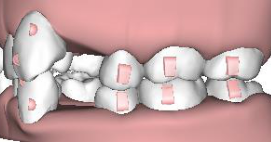
Orthodontic treatment can have a deep effect on a person’s self-esteem. Many individuals feel embarrassed about gaps in their smile, and these concerns can shape how they engage in conversations and see their identity. When someone feels afraid to show their teeth, it can lead to social withdrawal or low confidence. Orthodontic treatment offers a gateway to emotional renewal; it often brings a restored self-respect and ease with one’s look.
People of all ages report feeling more confident after completing orthodontic care. Children and teenagers, who are particularly vulnerable to group acceptance, often experience stronger peer connections and higher participation in school activities once their teeth are aligned. Grown-ups, too, find that correcting years of dental insecurity helps them feel less self-conscious in interviews and dates. A smile that once caused shame becomes a source of joy.
The mental health gains go past aesthetics. When people feel prouder of their smile, they tend to move with greater assurance, expressing opinions confidently, and connecting deeply with others. This shift in gestures and social rhythm can reinforce positive self-perception and build enduring self-worth.
Modern orthodontic options like invisible braces and tooth-colored brackets have made treatment virtually invisible, reducing the embarrassment sometimes associated with bulky orthodontic hardware. This ease of access allows a wider range of patients to pursue treatment without anxiety about appearance, further supporting emotional well-being.
While orthodontic treatment requires consistent effort and 鐘ヶ淵 歯科矯正 discipline, the life-changing effect on self-esteem is often life changing. It’s not just about straight teeth—it’s about enabling authentic self-expression and letting their real personality shine.




