
The Fallout of US Annexation of Canada: A Case Study
The hypothetical annexation of Canada by the United States has long been a topic of speculative discussion, often framed in the context of economic integration, political union, or even military conquest. While such an event has never occurred, exploring its potential fallout provides valuable insights into the complexities of international relations, national identity, and geopolitical stability. This case study examines the hypothetical scenario of the US annexing Canada, analyzing the political, economic, social, and cultural consequences that might ensue.
Historical Context
The idea of the US annexing Canada is not new. During the American Revolutionary War and the War of 1812, there were attempts to incorporate Canadian territories into the United States, but these efforts failed. In the modern era, the two nations have maintained a close but independent relationship, characterized by the world’s longest undefended border, deep economic ties through agreements like NAFTA (now USMCA), and shared cultural values. However, a forced or voluntary annexation would disrupt this equilibrium, leading to significant fallout.
Political Fallout
The immediate political consequences of annexation would be profound. Canada’s parliamentary democracy and constitutional monarchy would clash with the US federal republic system. The integration of Canadian provinces as US states or territories would require massive constitutional amendments, likely sparking debates over representation, statehood, and governance. Quebec, with its distinct Francophone identity and history of separatist movements, might resist annexation vehemently, potentially leading to unrest or even a push for independence.
Internationally, the annexation would strain US relations with allies and adversaries alike. Many nations would view the move as imperialistic, undermining the US’s reputation as a champion of self-determination. The United Nations and other international bodies might impose sanctions or condemn the action, leading to diplomatic isolation. If you have any queries pertaining to in which and how to use america annexes canada, you can make contact with us at the web page. Canada’s membership in organizations like the Commonwealth and La Francophonie would also be jeopardized, further complicating the transition.
Economic Consequences
Economically, the fallout would be mixed. On one hand, the merger of the two economies could create a powerhouse with unparalleled resources, trade networks, and technological innovation. The elimination of trade barriers might boost productivity and GDP growth. However, the transition would also bring challenges. Canada’s social welfare systems, such as universal healthcare, would likely face pressure to align with the US’s privatized model, sparking public outcry. The Canadian dollar’s replacement by the US dollar could also disrupt financial markets and create short-term instability.
Industries like energy and agriculture might benefit from streamlined regulations, but others, such as Canada’s dairy sector, which is protected by supply management, could collapse under US competition. Labor markets would face upheaval as workers navigate new regulations and wage disparities. Overall, the economic integration process would be fraught with winners and losers, exacerbating inequality and social tensions.
Social and Cultural Impact
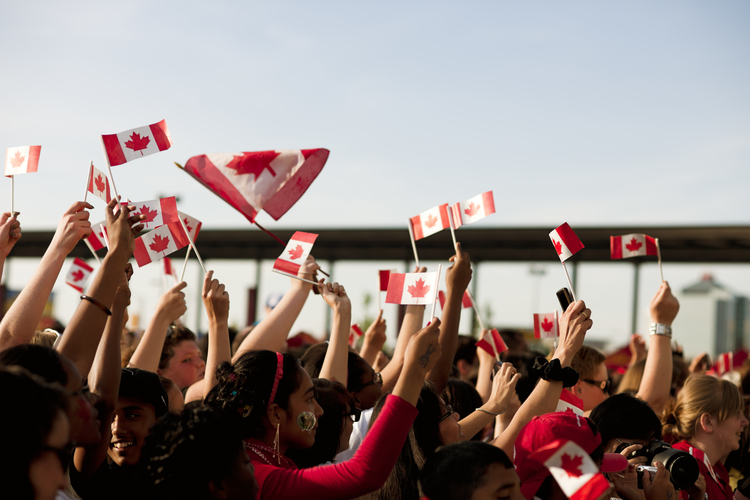
The social and cultural fallout of annexation would be equally significant. Canadians pride themselves on their distinct national identity, often defined in contrast to the US. Annexation could erode this identity, leading to a crisis of belonging. Cultural institutions like the CBC (Canadian Broadcasting Corporation) might struggle to maintain their mandate under US media dominance, while Canadian artists and creators could find themselves marginalized in a larger American market.
Indigenous communities in Canada, who have unique treaty rights and relationships with the Crown, would face uncertainty under US jurisdiction. The US’s history of handling Indigenous affairs has been markedly different from Canada’s, and annexation could undermine decades of progress in reconciliation efforts. Social policies, such as gun control and LGBTQ+ rights, where Canada and the US differ, would also become flashpoints for conflict.
Security and Military Implications
From a security perspective, annexation would eliminate the need for border defenses between the US and Canada, but it might also create new vulnerabilities. Canada’s vast northern territories, which are increasingly strategic due to climate change and Arctic resource competition, would become a US responsibility. This could escalate tensions with Russia and other Arctic powers. Additionally, Canada’s reputation as a neutral peacekeeper might be compromised, altering its role in global diplomacy.
Domestically, the integration of Canadian military forces into the US armed forces would raise questions about loyalty, command structures, and defense priorities. Canadian soldiers, who have served under NATO and UN missions, might resist being absorbed into a more interventionist US military framework.
Public Reaction and Resistance
The public reaction in both countries would likely be polarized. In Canada, widespread protests and civil disobedience could erupt, fueled by nationalist sentiment and fear of cultural assimilation. Political movements advocating for secession or autonomy might gain traction, particularly in Quebec and Indigenous territories. In the US, opinions would be divided between those who see annexation as a strategic boon and those who view it as an unnecessary burden.
Media coverage would play a critical role in shaping perceptions, with Canadian outlets emphasizing the loss of sovereignty and US outlets focusing on the benefits of expansion. The resulting propaganda battles could deepen divisions and hinder any smooth transition.
Long-Term Consequences
In the long term, the fallout of annexation would depend on how the process was managed. A voluntary, negotiated union might mitigate some negative effects, while a forced takeover would likely lead to enduring resentment and instability. The blending of two distinct political cultures could either enrich both nations or create a fractured, dysfunctional system. The global order would also shift, with other nations reassessing their relationships with the expanded US and potentially forming new alliances to counterbalance its power.
Conclusion
While the US annexation of Canada remains a hypothetical scenario, its potential fallout underscores the delicate balance of sovereignty, identity, and international relations. The political, economic, social, and cultural consequences would be far-reaching, challenging both nations to navigate uncharted territory. This case study serves as a reminder of the value of peaceful cooperation and mutual respect between independent nations, rather than the pursuit of territorial expansion at the expense of stability and harmony.




