
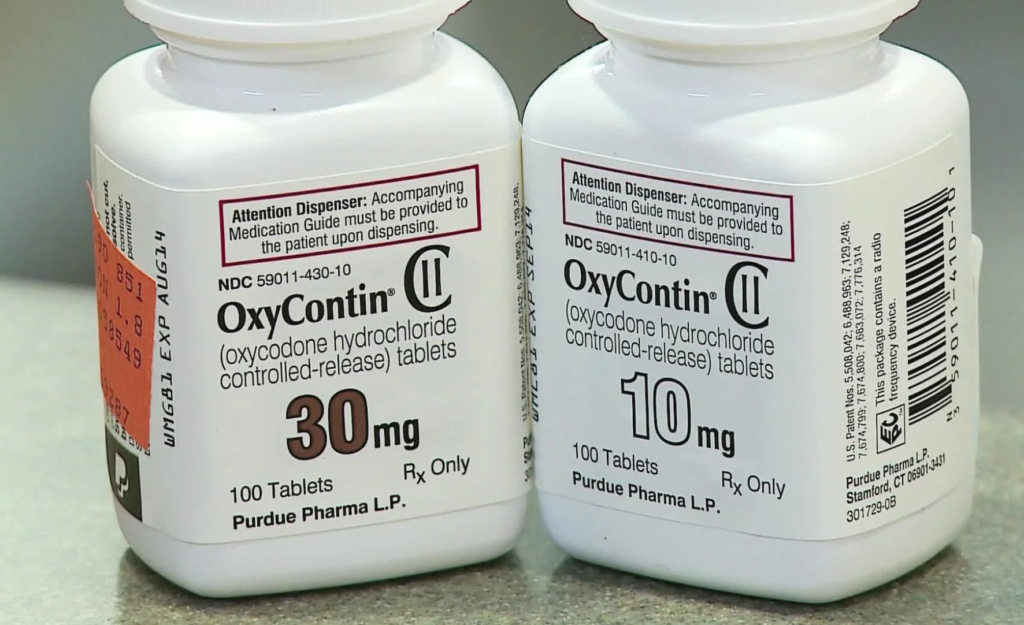
Professional monitoring plays a essential role in the secure and therapeutic use of opioids, particularly when they are recommended for acute or persistent discomfort. Opioids are potent medications that can deliver significant relief for acute and chronic pain, but they also carry severe risks including addiction, tolerance, respiratory depression, and fatal outcomes when administered irresponsibly or outside clinical guidelines. Under the direction of a licensed clinician, patients can receive tailored therapy that optimizes analgesia while minimizing risk.
A core responsibility of medical supervision is to ensure that opioids are only prescribed when absolutely necessary and that non-pharmacological interventions have been thoroughly explored. Clinicians evaluate a patient’s health background, present symptoms, and predisposing behaviors before initiating opioid therapy. This includes screening for a personal or family history of addiction, mental health conditions, and other medications that may interact dangerously with opioids.
Once treatment begins, regular follow-ups are essential. These visits allow the provider to evaluate analgesic outcomes, monitor for signs of misuse or tolerance, and modify treatment regimens. Patients on long-term opioid therapy may be mandated to submit routine toxicology tests to ensure proper use and identify substance conflicts. This level of supervision helps prevent diversion of medication and supports early intervention if problems arise.
Medical supervision also includes education. Patients must know the precise dosing schedule and administration rules, recognize the signs of overdose such as slowed breathing or unresponsiveness, and know how to use naloxone, a life-saving medication that can reverse an opioid overdose. Providers often encourage the use of pain management plans that incorporate physical therapy, cognitive behavioral therapy, and other non-pharmacological approaches to minimize long-term narcotic dependence.
In addition, medical institutions increasingly rely on prescription drug monitoring programs, which track controlled substance prescriptions across providers and pharmacies. These tools help identify patterns of doctor shopping or over-prescribing and ensure that medical supervision is guided by accurate, up-to-date information. When used responsibly, these programs boost clinical integrity and long-term safety.
The presence of a licensed clinician also provides holistic psychosocial care. Chronic pain can lead to emotional distress, mood disorders, and withdrawal, and patients under supervision are more likely to be referred to counselors or support groups that treat concurrent psychiatric issues. This integrated strategy recognizes that pain is not just a physiological symptom but a interwoven result of neurology, emotion, and context.
Without medical supervision, the risks associated with opioid use intensify exponentially. Unmonitored use increases the likelihood of escalating doses, accidental overdose, Temazepam-tabletit and the transition to illicit substances such as heroin or fentanyl. In contrast, supervised treatment has been shown to boost well-being, minimize crises, and significantly reduce fatal outcomes.
Ultimately, medical supervision transforms opioid therapy from a potentially dangerous intervention into a carefully managed component of comprehensive pain care. It gives patients control, shields society, and enforces clinical integrity in narcotic administration. For both patients and providers, the presence of ongoing medical oversight is not optional—it is essential.




