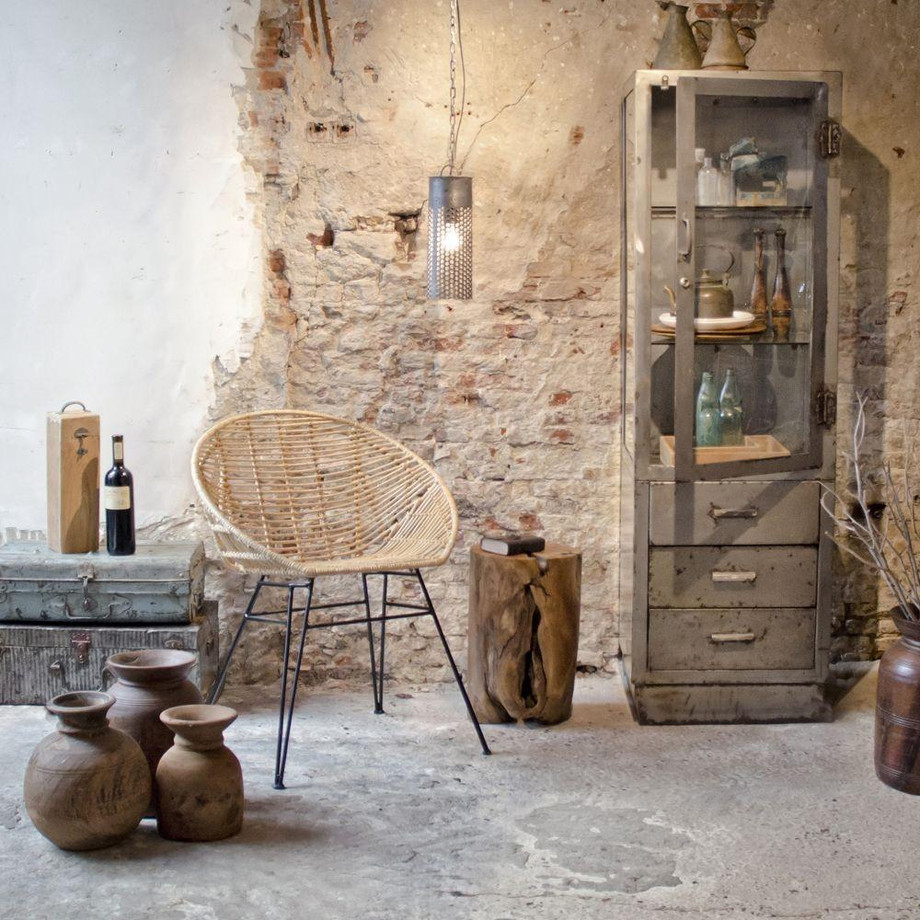
The armchair, a staple in homes and offices around the world, combines comfort, functionality, and design. While a traditional armchair serves the basic need for seating, designer armchairs elevate this experience, blending art with utility to create pieces that are both aesthetically pleasing and comfortable. In this article, we explore the world of designer armchairs, delving into their history, design elements, accent chair materials, and the impact they have on interior spaces.
Historical Perspective
The history of armchairs dates back to ancient civilizations, but the concept of a “designer” armchair is relatively modern, emerging prominently with the advent of the Bauhaus movement in the early 20th century.This movement emphasized the fusion of art, craft, and technology, which led to the design of furniture that was simple yet functional. Iconic designers like Charles and Ray Eames, Arne Jacobsen, and Eero Saarinen pushed the boundaries of materials and shapes to create armchairs that were both innovative and timeless.
Design Elements
Designer armchairs are distinguished by their unique design elements.These chairs often serve as a focal point in a room due to their distinctive styles, colors, and shapes. For example, the Eames Lounge Chair combines plywood and leather to offer a sleek, curvaceous form that invites relaxation and conveys luxury. On the other hand, the Egg Chair by Arne Jacobsen uses foam and upholstery to create a cocoon-like space that provides privacy and comfort.
The choice of color and fabric in designer armchairs also plays a crucial role in their appeal.Bright, bold colors can energize a space, while neutral tones can bring a sense of calm and sophistication. Textiles may range from luxurious leathers to sustainable and innovative fabrics that contribute not only to the look and feel of the single long chair but also to its environmental impact.
Materials and Craftsmanship
The materials used in designer armchairs are as varied as the designs themselves. Traditional materials like wood, leather, and metal are often combined with modern synthetics like acrylics and polyesters.Advances in materials technology have allowed designers to experiment with new textures and properties, such as increased durability and weather resistance, enabling the use of armchairs in a variety of environments.
Craftsmanship is another critical aspect. Designer armchairs are often handcrafted or involve a significant degree of skilled labor, which adds to their exclusivity and charm. The construction of these chairs frequently involves a meticulous assembly process where every joint, stitch, and finish is carefully executed, ensuring both beauty and longevity.
Ergonomics and Comfort
While style and aesthetics are crucial, designer armchairs do not compromise on comfort and ergonomics. Designers invest considerable effort in creating chairs that support the body’s contours and movements. Features like adjustable heights, reclining backs, and supportive armrests are common in modern designs, catering to the ergonomic needs of a diverse range of users. This focus on comfort makes designer armchairs a preferred choice not only for homes but also for workplaces that value well-being and productivity.
Impact on Interior Design
Designer armchairs can transform an interior space. Whether placed in a cozy corner, beside a fireplace, or as part of a sophisticated office setup, these chairs can define the ambiance of a room. They often act as statement pieces that reflect the owner’s style and personality.