
Is Tokenization the Future of Digital Possessions?
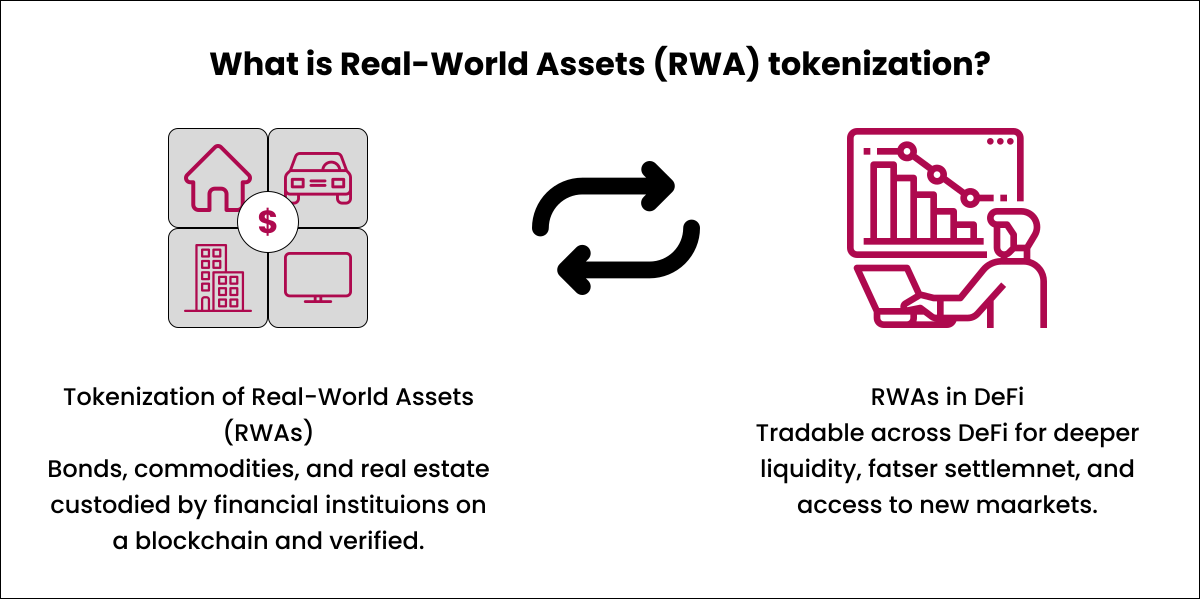
In the quickly advancing landscape of digital financing, tokenization has become a transformative pressure. By transforming real-world possessions right into digital symbols on a blockchain, tokenization promises to reinvent possession, liquidity, and availability throughout sectors. Is it really the future of digital assets? This write-up explores the potential, difficulties, and effects of tokenization as a cornerstone of the following economic era.
Comprehending Tokenization
Tokenization describes the procedure of representing possession of a property– whether physical, economic, or intellectual– as an electronic token on a blockchain. These symbols can stand for anything from property and art to supplies and assets. By leveraging blockchain innovation, tokenization makes sure openness, safety and security, and immutability, while enabling fractional possession and seamless transferability.
The Pledge of Tokenization
Tokenization offers numerous engaging advantages that position it as a potential future criterion:
1. Boosted Liquidity
Traditional possessions like actual estate or art are commonly illiquid, requiring substantial effort and time to buy or sell. Tokenization breaks these possessions into smaller sized, tradable devices, allowing fractional ownership and unlocking liquidity in formerly stationary markets.
2. Democratization of Investments
By reducing the obstacles to access, tokenization allows a wider range of financiers to take part in high-value markets. As an example, a $10 million home can be tokenized into 10,000 tokens, each standing for a $1,000 share, making it accessible to retail investors.
3. Transparency and Safety
Blockchain’s decentralized ledger makes sure that all purchases are taped transparently and can not be changed. Smart contracts automate processes like returns or rental revenue distribution, minimizing fraudulence and administrative expenses.
4. Global Accessibility
Tokenized assets can be traded 24/7 on international platforms, removing geographical limitations and time zone restrictions. This opens up new opportunities for cross-border financial investment and diversification.
Industries Positioned for Disturbance
Tokenization has the prospective to interrupt various industries:
1. Realty
Tokenizing home enables fractional ownership, much easier transfers, and reduced purchase expenses. It additionally allows capitalists to expand their portfolios throughout multiple properties without the need for large capital investments.
2. Art and Collectibles
High-value art pieces can be tokenized, enabling numerous financiers to have a share. This not only democratizes art investment however also provides artists with new financing avenues.
3. Financial Markets
Supplies, bonds, and other financial tools can be tokenized, simplifying settlement procedures and lowering middlemans. This might bring about much faster, less expensive, and a lot more effective markets.
4. Copyright
Designers can tokenize their work, making it possible for straight monetization and royalty circulation via wise contracts. This might improve industries like music, film, and posting.
Challenges and Roadblocks
Despite its promise, tokenization faces a number of hurdles:
1. Regulative Uncertainty
The lawful structure for tokenized properties is still developing. Different jurisdictions have differing guidelines concerning securities, taxes, and ownership rights, creating intricacy for international fostering.
2. Technological Barriers
Blockchain scalability, interoperability, and energy intake remain significant obstacles. For tokenization to flourish, these technological issues must be addressed.
3. Market Adoption
Extensive approval of tokenized assets requires trust and education and learning. Here is more information on best crypto coin investment long term take a look at our own website. Numerous financiers and organizations remain doubtful of blockchain-based solutions, choosing traditional systems.
4. Security Threats
While blockchain is safe and secure, the bordering framework– such as budgets and exchanges– is susceptible to hacks and scams. Durable protection steps are important to shield token owners.
The Course Ahead
For tokenization to understand its capacity, cooperation between regulators, engineers, and market stakeholders is crucial. Clear guidelines, scalable blockchain options, and user-friendly platforms will certainly drive fostering. Furthermore, educating capitalists and developing count on tokenized assets will be crucial to getting rid of uncertainty.
Conclusion
Tokenization stands for a standard change in how we have, trade, and handle possessions. Its capability to improve liquidity, democratize gain access to, and enhance effectiveness makes it a solid challenger for the future of digital properties. Overcoming governing, technical, and adoption difficulties will certainly determine whether tokenization ends up being a mainstream reality or stays a specific niche innovation. As the electronic economy continues to evolve, tokenization stands at the forefront of a prospective economic revolution– one that might redefine ownership for generations to find.
In the rapidly progressing landscape of digital finance, tokenization has arised as a transformative pressure. By converting real-world assets into digital tokens on a blockchain, tokenization promises to transform ownership, liquidity, and access across industries. Tokenization refers to the procedure of standing for possession of a property– whether physical, economic, or intellectual– as a digital token on a blockchain. By decreasing the obstacles to access, tokenization permits a wider array of capitalists to get involved in high-value markets. Tokenization stands for a paradigm change in how we have, trade, and handle properties.




