
An ACW file is essentially a song-structure descriptor for older Cakewalk DAWs, holding track organization, clip timing, edits, markers, and occasional tempo/mix info, while the true audio lives in external WAV files the ACW references, keeping the file small but causing offline media if those files aren’t included or if folder paths have changed.
That’s why you can’t directly produce audio from ACW—you must load it into a DAW, restore missing media if needed, and then bounce or export a mix, though “.ACW” can occasionally come from unrelated systems such as legacy Windows accessibility tools or enterprise workspace settings, making the simplest identification method to look at its origin and folder contents; if WAVs and an Audio folder appear nearby, it’s almost certainly the audio-project form.
What an ACW file essentially does in Cakewalk setups is a project/session container full of metadata rather than sound, acting in legacy Cakewalk environments like a “timeline blueprint” describing which tracks exist, how clips are placed, their start/end points, the edits performed, and project-wide details like tempo, markers, and sometimes basic mix or automation features depending on version.
Crucially, the ACW tracks locations of the actual audio files—typically WAVs—so it can load them when reopening the session, making ACWs compact but vulnerable when moved: missing recordings or changed folder paths cause offline clips because the ACW still “expects” the original location, meaning proper backups must include the ACW plus its audio folders, and creating a playable file requires reopening in a compatible DAW, fixing links, and exporting the mix.
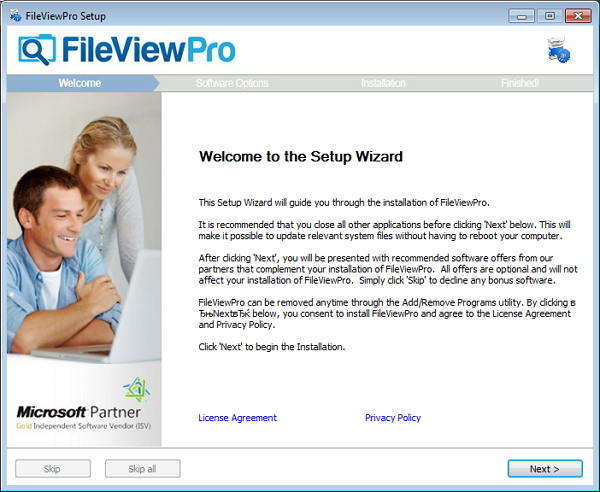 An ACW file fails to “play” because it’s a layout file with no audio, containing timeline and edit info—tracks, clips, fades, markers, tempo/time parameters, and occasional basic automation—while the real audio resides in separate WAV files, meaning media players can’t interpret it, and even a DAW produces silence if those WAVs were moved or renamed; fixing this requires opening the project in a compatible DAW, ensuring the Audio folder is intact, relinking files, and exporting a proper mixdown.
When you loved this article and you would want to receive details concerning ACW file viewer please visit the page. A quick way to identify what your ACW file is is to review a couple of reliable indicators: look first at its surrounding folder—WAVs or an Audio directory usually point to a Cakewalk-type project, while system or enterprise folders suggest a settings/workspace file—and then use Right-click → Properties → Opens with to see Windows’ current association, which can still offer insight into whether the file belongs to audio software or some administrative tool.
After that, look at how large the file is—tiny files are often settings/workspace containers, while audio projects stay lightweight but normally appear next to big media folders—and then open it in Notepad to see if readable clues like workspace show up, because heavy gibberish suggests binary data that might still contain directory strings; for a more certain answer use tools such as TrID or magic-byte analysis, and finish by opening it in the software you suspect created it to see if it asks for missing audio, signaling a session file.




