
Saving money and staying comfortable can go together when you focus on smart steps that raise home energy efficiency. We’ll walk through a seasonal game plan that ties testing, right-sizing, and precision upgrades into real-world results for households. You’ll see how indoor comfort planning and balanced home comfort connect with hvac efficiency, airflow testing, and weatherization basics that actually reduce utility bills. This guide covers ac efficiency tips and heating system efficiency alongside air sealing tips you can do in a weekend. Then we’ll weigh home upgrade roi, efficiency upgrade payback, and repair vs replace decisions with examples from urban condos to older ranch homes. Along the way, we’ll explain time of use rates explained, peak vs off peak electricity, and how to read an electric bill or how to read a gas bill so your thermostat schedule tips and smart thermostat settings stick. With a few habit tweaks and checks, you’ll find summer energy savings at home and winter energy savings at home without sacrificing comfort.
Define needs, stage evaluations, and align comfort targets
A solid plan starts with a whole home energy audit that ties comfort and cost together. You can log room temps, note hot and cold spots in house, and build a simple home energy audit checklist before scheduling a pro. home energy efficiency During testing, ask for blower door test explained and a home air leakage test so you understand numbers, not guesses. If you link that data to indoor comfort planning, you’ll see where weak airflow from vents or static pressure in hvac causes uneven rooms. After that, fold in system sizing and comfort so the right size air conditioner or right size heat pump matches your rooms.

Map spaces by use and weather, then decide which rooms need ac not cooling evenly or furnace not heating evenly solved first. Rely on manual j load calculation and manual s equipment selection to avoid oversized ac problems or undersized ac symptoms that drive noise and short cycles. Many homes benefit from hvac zoning basics with remote temperature sensors to tune bedrooms vs. living areas. With clear targets set, you can choose hvac diagnostics and hvac performance testing at the start, not the end.
Materials that matter: seal the shell and sharpen airflow
Great materials guard your wallet and comfort. In older houses, start with weatherstripping doors and windows and basic air sealing tips around rim joists to slow energy vampires in the home. Compare that with a ductwork check, because duct leakage signs and duct leakage energy loss often beat window drafts for waste. Place simple smoke pencils near seams for smoke and dust control while you mark supply vs return airflow paths. When leaks fall, indoor air quality basics often improve too.
Duct sizing guide and manual d duct design keep airflow on target while damper balancing in ducts evens temps. Many attics hide duct insulation r value gaps and attic ductwork problems that wreck airflow, and reduced airflow causes comfort swings. If you find homes without usable ductwork or tight remodels, mini split vs central air becomes a practical discussion with ductless mini split benefits and mini split sizing for bedrooms. For bigger floorplans, consider multi zone mini split design; just plan concealed mini split maintenance and watch mini split noise causes or mini split drain line issues so performance holds.
Coordinate installs, time tune-ups, and plan around weather windows
Turn findings into a calendar you can follow. Start with energy saving tips for homeowners that fit the season, then set a homeowner maintenance checklist you’ll actually use. The month you test ducts, pencil in airflow testing, air balancing service, and hvac troubleshooting so your crew can adjust static pressure and verify results. Add a quick walk-through of homes systems so you know home systems basics and home systems performance while tracking summer vs. winter tweaks. That cadence keeps momentum without blowing weekends.
For summer, aim for seasonal energy savings with simple thermostat schedule tips and smart thermostat savings during peak vs off peak electricity windows. Consider time of use rates explained and even phantom power usage in media rooms so your lower electric bill goals stick. When autumn hits, book an hvac tune up checklist with ac maintenance checklist and furnace maintenance checklist to keep filters clean and coils clear. Winter is perfect for humidity control in home checks and sealing passes that lead to home comfort vs energy use balance, so you lower gas bill as temps drop.
Measure outcomes, log fixes, and reduce comfort and cost risks
Good work must prove itself. After upgrades, pull a fresh hvac diagnostics report and compare hvac performance testing numbers to the original baseline. You’ll read meter data differently once you know how to read an electric bill and how to read a gas bill, especially when tracking lower utility bill progress. Log seer vs seer2 explained, eer rating explained, and hspf vs hspf2 explained for any replacement so you understand efficiency curves. If gear fits the math, variable speed hvac benefits show up as quieter rooms and stable temperatures.
Ventilation and moisture deserve the same rigor. Evaluate fresh air ventilation options and erv vs hrv explained to pair clean air with efficiency, then set your indoor humidity target range to prevent condensation on vents or condensation on ductwork. Check the attic for attic ventilation balance, ridge vent vs soffit vent, and attic moisture problems that can drive musty smell in house. If you find moisture, review mold and moisture guide and mold prevention tips, then add crawlspace encapsulation basics with a crawlspace vapor barrier and crawlspace dehumidifier sizing to keep basement humidity control steady.
Keep it tuned, plan ahead, and pick long-lived improvements
Long-term wins come from routine plus smart choices. Build a monthly home maintenance checklist and a seasonal home maintenance checklist that flags how often to change air filter, especially when comparing merv 8 vs merv 11 vs merv 13. If allergies strike, pick the best hvac filter for allergies but note high merv filter airflow impact and adjust dampers as needed. For insulation, use an insulation r value guide, plan an attic insulation upgrade, and weigh spray foam vs blown in insulation with thermal bridging explained and radiant barrier pros and cons so heat flows drop. Don’t forget panes, so add window efficiency upgrades.
Water heating is a huge slice of homeownership cost breakdown, so track water heater energy use and apply water heater efficiency tips to reach a lower utility bill month to month. Schedule water heater maintenance, flush water heater sediment, and replace anode rod to extend water heater lifespan and spot water heater leak signs before damage grows. When issues arise, decide on water heater repair vs replace and estimate water heater replacement cost with a handy quote comparison checklist to compare hvac quotes for HVAC, heating, or ac partners. Then weigh tankless water heater pros and cons, tankless water heater sizing, tankless water heater installation guide steps, tankless water heater venting, tankless water heater descaling, and even tankless water heater outdoors for space-limited homes. Hot water options also include heat pump water heater savings with hpwh installation considerations when the layout fits.
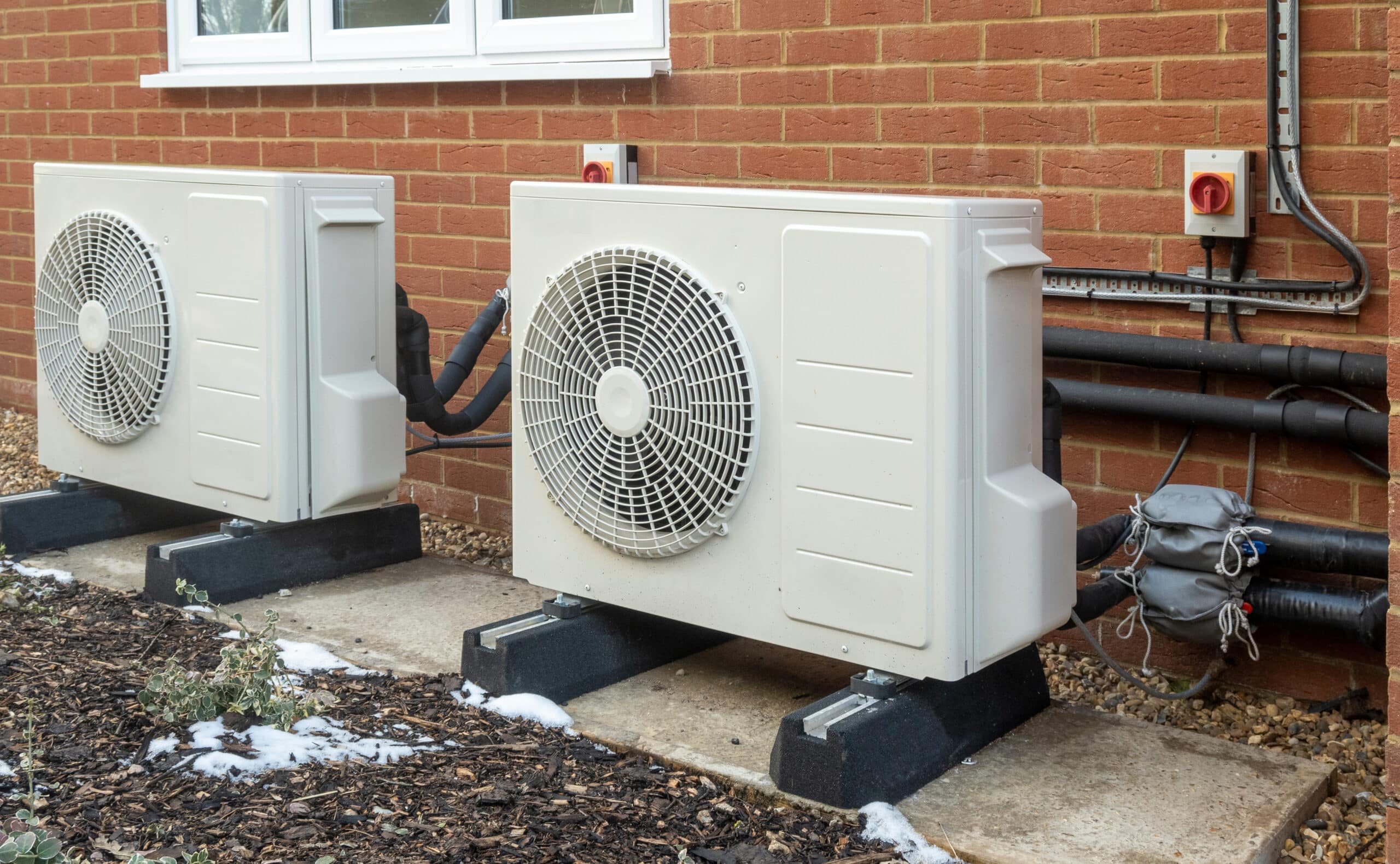
In some climates, the conversation shifts to heat pump vs furnace and dual fuel heat pump system setups for extreme swings. For steady output, use heat pump performance tips, plan for heat pump in cold weather, and understand heat pump defrost cycle explained and aux heat usage so bills don’t spike. On the cooling side, right-sizing still rules: avoid oversized ac problems and undersized ac symptoms with manual j load calculation, manual s equipment selection, and the right size air conditioner or right size heat pump choice. Layer smart thermostat settings with remote temperature sensors to trim peaks while keeping balanced home comfort in every room. Wrap it up with home efficient home improvements and home efficiency upgrades chosen for efficiency upgrade payback that fits your maintenance budgeting for homeowners and home repair budgeting plan.

Finally, don’t overlook air delivery at scale. If return air problems or ductwork airflow issues linger, revisit supply vs return airflow, adjust damper balancing in ducts, and confirm airflow testing for consistent CFM per room. Homes with tricky layouts may lean on mini split vs central air logic, where ductless mini split benefits and multi zone mini split design solve space limits. Keep an eye on concealed mini split maintenance tasks to prevent mini split noise causes and mini split drain line issues, especially during pollen season. With discipline and documentation, your contractor neutral home guide and new homeowner handbook notes will keep home systems basics simple and home systems performance high.
Conclusion: When you start with planning, choose the right materials, schedule work with the seasons, and verify results, you build home energy efficiency that lasts. You’ll see seasonal energy savings while staying comfortable, and your lower electric bill and lower gas bill goals become routine. With careful budgeting, clear checklists, and measured upgrades, the path from audit to tune-up stays manageable. The result is a safer, quieter, and more efficient home that makes every month easier.




