
The future of AI in orthodontic diagnosis and treatment planning is redefining the standards of orthodontic practice. Gone are the days of relying only on hand-measured models and 2D radiographs—they are increasingly turning to machine learning systems to enhance accuracy, speed, and personalization in treatment. Machine learning models process vast datasets of clinical images and results within moments—detecting hidden correlations invisible to the human eye. Enables timely identification of malocclusions, spacing irregularities, and skeletal imbalances—leading to preventive strategies that reduce long-term complexity.
The evolution of volumetric imaging is transforming orthodontic planning. AI reconstructs full oral architecture from multiple imaging modalities in real time. They’re dynamic, living simulations. They adjust in real time as goals shift, suggesting optimal tooth movement trajectories based on biomechanical principles and historical outcomes. Orthodontic planning has shifted from intuition to evidence-based modeling—they are personalized forecasts built on patient-specific variables.
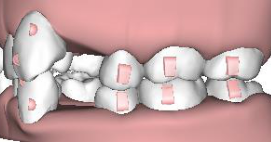
AI empowers patients through visual clarity. Ditching technical jargon in favor of intuitive visuals, orthodontists can now show patients animated simulations of progressive alignment. Visual aids increase compliance by making outcomes tangible. Machine learning estimates treatment length and 表参道 歯科矯正 setbacks using past similar cases and lifestyle factors—allowing for informed decision-making grounded in data.
In the coming years, AI will become even more integrated with wearable devices and remote monitoring tools. Smart aligners and sensors embedded in retainers could feed real-time data back to the clinician. Enabling auto-optimization of treatment trajectories. Transitioning from scheduled check-ups to continuous monitoring will minimize in-person appointments and expand equitable access to quality treatment.
AI is augmenting, not replacing, the clinician. It elevates their professional impact. Professionals will spend less time on repetitive analysis and more on complex decision making, patient education, and emotional support. Trust is built not by algorithms, but by relationship.
As AI technology becomes more sophisticated and widely available—it will also raise questions about data privacy, algorithmic bias, and regulation. Industry leaders must co-create governance frameworks with ethicists and patients.
AI isn’t here to take over—it’s here to uplift. It is about machines empowering them. Using machine learning as an intelligent assistant, orthodontists can optimize every phase of treatment for individual needs. Success isn’t about flawless outcomes—it’s about consistent improvement. The future of orthodontics has never been more visible, predictable, and promising.




