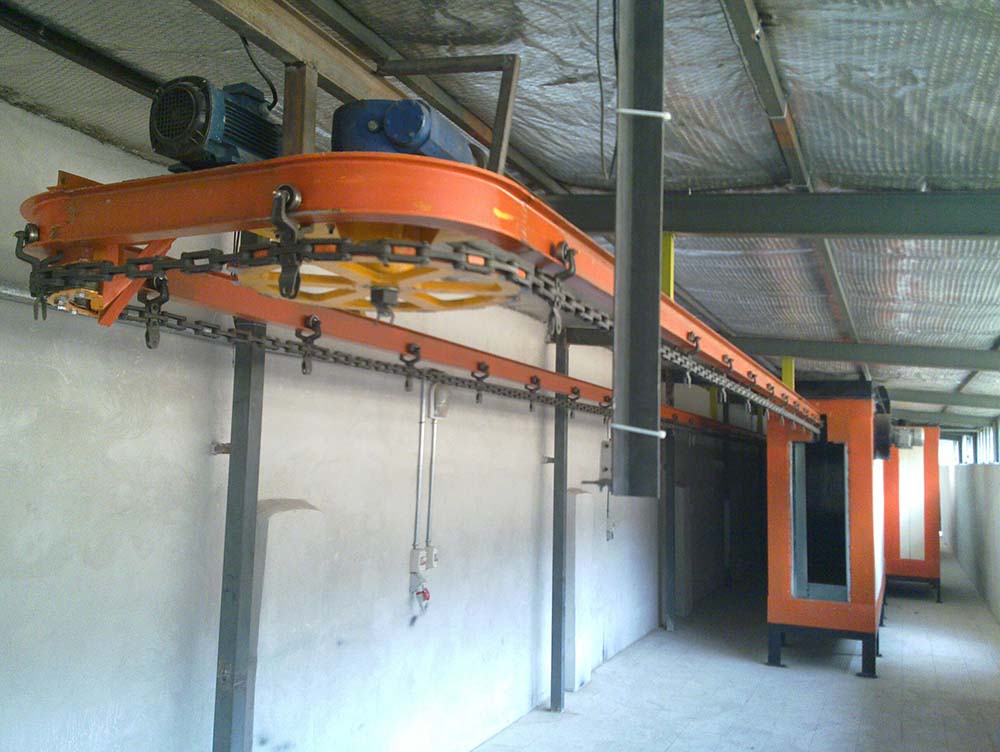
Customer feedback serves as a vital tool for enhancing paint line services and securing sustainable growth in a saturated industry. Customers who invest their time and resources are not just sharing opinions—they are supplying actionable intelligence that can enhance service delivery, boost throughput, and strengthen brand trust. To harness this intelligence, Tehran Poshesh organizations must establish a structured approach to obtaining, evaluating, and implementing client suggestions.
Start by implementing multiple channels for gathering feedback. This includes follow-up questionnaires, direct interviews, third-party review sites, and even informal conversations during site visits. Reduce barriers to participation by keeping surveys concise and providing rewards like service credits, loyalty points, or expedited booking. You must go beyond surface-level queries that probe into operational details. For example, evaluate the evenness of the applied paint, turnaround time, site cleanliness standards, clarity and responsiveness of staff, and execution of unique finish specifications.
After gathering client responses, organize it systematically. Leverage digital platforms to group feedback into key areas such as quality, schedule adherence, staff professionalism, application tool functionality, and climate regulation. Spot common complaints—perhaps a number of customers note inconsistent drying|or shifts in hue tone. These patterns reveal systemic problems that require intervention, not isolated incidents. Rank problems by occurrence and severity; a problem affecting a small number of clients but leading to rejected batches should be treated with equal priority.
Include operational personnel in insight evaluation. Technicians, supervisors, and quality control staff often have direct experience with process limitations and can supplement data with real-world insight. Hold regular review meetings where feedback is discussed openly and corrective actions are developed as a team. Build a mindset that views critique as a pathway to excellence.
Translate insights into operational adjustments. If clients cite extended delivery windows, evaluate your workflow for bottlenecks—perhaps conflicting job allocations or inadequate curing station capacity. If paint adhesion issues are common, review your surface preparation protocols or consider upgrading your spray equipment. Document each change made and inform your clients. Let them know their feedback led to real improvements—this strengthens relationships.
Monitor the results after implementing changes. Track key performance indicators such as customer retention levels, NPS ratings, decline in service issues, and service completion times. If client sentiment strengthens, celebrate those wins internally. If new patterns surface, re-engage the listening process and keep optimizing.
Express gratitude to those who take time to comment. A personalized email goes a long way in strengthening relationships. Showcase success stories where feedback resulted in operational upgrades—this not only validates their contribution but also signals your dedication to quality.
By treating customer feedback as a continuous improvement engine, coating operations can turn standard processes into personalized service journeys. No large capital outlay is needed—it requires consistent focus, adaptability, and real curiosity. Companies that embrace this mindset will not only reduce service failures but also turn satisfied clients into advocates who bring in new business through word of mouth.