
An .ABC file functions as a plain-text music notation file written in the ABC notation system, a lightweight way of describing tunes with ordinary keyboard characters instead of traditional sheet music, most often used for folk, Celtic, and traditional melodies. Born in the early days of the web, ABC was designed so that a musician could type out a tune in plain text, then use compatible software to display proper staff notation or generate audio from the same file. On typical systems, trying to play an ABC file like a song usually fails, as most media players do not understand music notation files and simply treat them as documents rather than sound. By using FileViewPro as your viewer, you can bridge the gap between text notation and sound—load ABC files, review their musical data, and convert or route them into standard audio formats so they fit smoothly into your regular listening, practice, or editing workflow.
Audio files are the quiet workhorses of the digital world. If you have any queries regarding exactly where and how to use ABC file editor, you can make contact with us at our own website. From music and podcasts to voice notes and system beeps, all of these experiences exist as audio files on some device. In simple terms, an audio file is a structured digital container for captured sound. That sound starts life as an analog waveform, then is captured by a microphone and converted into numbers through a process called sampling. Your computer or device measures the sound wave many times per second, storing each measurement as digital values described by sample rate and bit depth. Taken as a whole, the stored values reconstruct the audio that plays through your output device. The job of an audio file is to arrange this numerical information and keep additional details like format, tags, and technical settings.
The history of audio files is closely tied to the rise of digital media and communications. In the beginning, most work revolved around compressing voice so it could fit through restricted telephone and broadcast networks. Standards bodies such as MPEG, together with early research labs, laid the groundwork for modern audio compression rules. The breakthrough MP3 codec, developed largely at Fraunhofer IIS, enabled small audio files and reshaped how people collected and shared music. MP3 could dramatically reduce file sizes by discarding audio details that human ears rarely notice, making it practical to store and share huge music libraries. Other formats came from different ecosystems and needs: Microsoft and IBM introduced WAV for uncompressed audio on Windows, Apple created AIFF for Macintosh, and AAC tied to MPEG-4 eventually became a favorite in streaming and mobile systems due to its efficiency.
Over time, audio files evolved far beyond simple single-track recordings. Most audio formats can be described in terms of how they compress sound and how they organize that data. With lossless encoding, the audio can be reconstructed exactly, which makes formats like FLAC popular with professionals and enthusiasts. On the other hand, lossy codecs such as MP3, AAC, and Ogg Vorbis intentionally remove data that listeners are unlikely to notice to save storage and bandwidth. Another key distinction is between container formats and codecs; the codec is the method for compressing and decompressing audio, whereas the container is the outer file that can hold the audio plus additional elements. This is why an MP4 file can hold AAC sound, multiple tracks, and images, and yet some software struggles if it understands the container but not the specific codec used.
The more audio integrated into modern workflows, the more sophisticated and varied the use of audio file formats became. Music producers rely on DAWs where one project can call on multitrack recordings, virtual instruments, and sound libraries, all managed as many separate audio files on disk. Surround and immersive audio formats let post-production teams position sound above, behind, and beside the listener for a more realistic experience. To keep gameplay smooth, game developers carefully choose formats that allow fast triggering of sounds while conserving CPU and memory. Spatial audio systems record and reproduce sound as a three-dimensional sphere, helping immersive media feel more natural and convincing.
Beyond music, films, and games, audio files are central to communications, automation, and analytics. Smart speakers and transcription engines depend on huge audio datasets to learn how people talk and to convert spoken words into text. Real-time communication tools use audio codecs designed to adjust on the fly so conversations stay as smooth as possible. These recorded files may later be run through analytics tools to extract insights, compliance information, or accurate written records. Even everyday gadgets around the house routinely produce audio files that need to be played back and managed by apps and software.
Beyond the waveform itself, audio files often carry descriptive metadata that gives context to what you are hearing. Most popular audio types support rich tags that can include everything from the performer’s name and album to genre, composer, and custom notes. Because of these tagging standards, your library can be sorted by artist, album, or year instead of forcing you to rely on cryptic file names. For creators and businesses, well-managed metadata improves organization, searchability, and brand visibility, while for everyday listeners it simply makes collections easier and more enjoyable to browse. Over years of use, libraries develop missing artwork, wrong titles, and broken tags, making a dedicated viewer and editor an essential part of audio management.
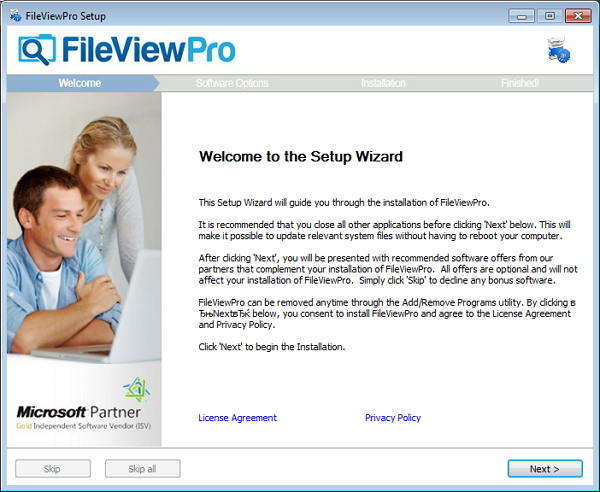
With so many formats, containers, codecs, and specialized uses, compatibility quickly becomes a real-world concern for users. A legacy device or app might recognize the file extension but fail to decode the audio stream inside, leading to errors or silence. Collaborative projects may bundle together WAV, FLAC, AAC, and even proprietary formats, creating confusion for people who do not have the same software setup. At that point, figuring out what each file actually contains becomes as important as playing it. Here, FileViewPro can step in as a central solution, letting you open many different audio formats without hunting for separate players. Instead of juggling multiple programs, you can use FileViewPro to check unknown files, view their metadata, and often convert them into more convenient or standard formats for your everyday workflow.
For users who are not audio engineers but depend on sound every day, the goal is simplicity: you want your files to open, play, and behave predictably. Yet each click on a play button rests on decades of development in signal processing and digital media standards. The evolution of audio files mirrors the rapid shift from simple digital recorders to cloud services, streaming platforms, and mobile apps. A little knowledge about formats, codecs, and metadata can save time, prevent headaches, and help you preserve important recordings for the long term. Combined with a versatile tool like FileViewPro, that understanding lets you take control of your audio collection, focus on what you want to hear, and let the software handle the technical details in the background.




