
Let me claim this very first.
Most PhD scholars do not leave since they are incapable.
They have a hard time due to the fact that the procedure is long, separating, confusing, and severely structured.
Dazzling minds get stuck between subject approval and phase 4. Not due to the fact that they do not have knowledge. However since nobody truly shows them just how to handle a thesis throughout.
That is where an organized assistance design makes all the difference.
Not composing for the scholar. Not replacing research study. But guiding, forming, remedying, and enhancing every phase so the job comes to be publishable, defendable, and respected.
This is how a correct PhD thesis support group must work.
Phase One: Clarity Before Creating
A lot of issues begin here.
A scholar chooses a subject that seems outstanding yet is either as well broad or also narrow. Research study concerns are vague. Purposes are vague. Theory is loosely framed.
Prior to a solitary phase is composed, clarity needs to be compelled.
A structured assistance model begins with:
This phase conserves months of complication later.
Several scholars hurry right into literary works evaluation without understanding precisely what they are examining. That creates scattered writing and weak debates.
Appropriate guidance at this stage brings sharp direction.
Phase 2: Research Layout Design
Now comes the technical backbone.
Approach is not an attractive phase. It figures out whether the Thesis writing support for PhD scholars makes it through evaluation.
Assistance at this stage includes:
Many scholars replicate approach layouts from previous theses without comprehending alignment. That is dangerous.
A structured support design guarantees that research study concerns, objectives, tools, and analysis methods are logically attached.
When design is strong, inspectors take the job seriously.
Stage 3: Literature Testimonial Advancement
This is where several PhD candidates really feel overwhelmed.
Hundreds of papers. Contradicting searchings for. The concern of missing out on something crucial.
Literature evaluation is not a recap. It is debate building.
Assistance at this phase concentrates on:
A solid evaluation reveals deepness, not volume.
Scholars commonly have problem with structuring this chapter. They accumulate PDFs for months and still really feel lost.
Structured mentoring breaks it right into workable blocks. Style by theme. Theory by concept.
Progressively, the phase begins to speak.
Phase 4: Information Evaluation Support
This is the stage that develops panic.
Statistics. Software. Interpretation.
Some scholars are exceptional authors yet uncomfortable with quantitative tools. Others gather data however can not translate patterns confidently.
An assistance version provides:
Evaluation is not practically generating tables. It is about explaining what those numbers indicate for your research trouble.
Inspectors do not just read result. They search for understanding.
Appropriate support makes certain that findings are practically talked about, not mechanically reported.
Phase Five: Chapter Structuring and Academic Writing.
This is where creating high quality matters.
Numerous doctoral scholars know their subject deeply yet struggle to reveal debates academically. Sentences become long and uncertain. Paragraphs lose focus. Repetition increases.
Structured support consists of:.
Clearness is power in research study writing.
A good thesis reads with confidence. It does not stray.
This stage is not about changing the scholar’s voice. It is about developing it.
Stage Six: Referencing and Formatting Discipline.
Formatting audios tiny.
It is not.
Inaccurate citation design aggravates inspectors quickly. Irregular referencing signals carelessness.
An organized assistance model ensures:.
Several universities decline submissions over formatting errors alone.
This phase secures months of hard work from technical denial.
Phase 7: Publication Guidance.
Today, PhD conclusion frequently needs research study magazines.
Scholars are expected to release in peer evaluated journals before entry.
But journal choice is puzzling. Predatory journals exist. Denial prevails.
Assistance includes:.
Magazine increases thesis trustworthiness.
Much more notably, it develops the scholar’s scholastic profile.
Stage 8: Pre Entry Review and Mock Viva.
Prior to last entry, the thesis should go through deep evaluation.
An organized support group conducts:.
Many scholars panic during viva since they have not reviewed their very own work critically.
Mock conversations construct self-confidence.
Confidence shows during protection.
Psychological and Psychological Support.
This part is rarely gone over.
PhD writing is psychologically exhausting.
There are stages of self question. Imposter disorder. Delays in manager comments. Family members pressure. Financial strain.
A structured assistance model identifies the human side.
Regular progression tracking. Tiny milestone celebrations. Honest responses without discouragement.
Often what a scholar requires is reassurance that they are not behind. That complication is normal. That modification becomes part of study.
Assistance is not just technological. It is emotional security.
Honest Limit.
Let me be clear.
Organized aid is guidance, not composing.
The scholar has to continue to be the primary researcher.
Honest assistance strengthens research abilities instead of changing them.
The objective is self-reliance, not reliance.
A proper design ensures transparency and academic integrity at every phase.
Why Structured Version Functions Better Than Random Help.
Several scholars seek aid just when problems arise.
That responsive strategy develops jumble results.
An organized model functions from day one until entry. Each stage attaches to the following. Paperwork is organized. Revisions are tracked.
Instead of turmoil, there is process.
Refine lowers anxiousness.
Process boosts quality.
Effect On Completion Price.
Information across universities shows that doctoral completion commonly prolongs beyond expected timelines.
Delay occurs since framework is missing out on.
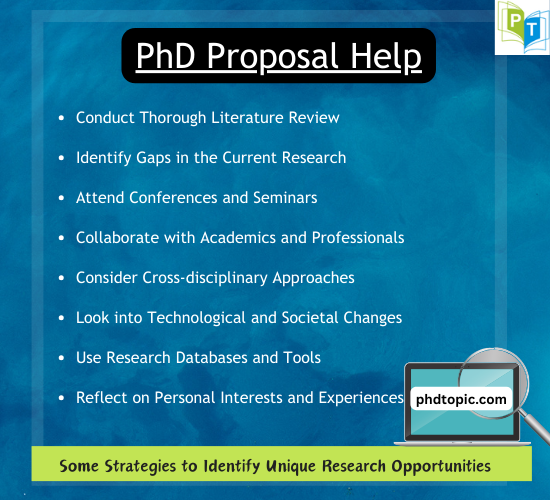
When milestones are defined and kept track of, progression comes to be quantifiable.
Scholars who obtain arranged advice tend to:.
Organized assistance does not guarantee success.
Yet it boosts possibility significantly.
Developing a Lasting Thesis Assistance Structure.
For organizations or scholastic service providers, developing this model needs:.
It can not be laid-back.
It should run like an academic environment.
Each specialist adds at different stages.
The scholar remains at the facility.
The Actual Objective.
The goal is not simply entry.
It is producing a thesis that adds meaningfully to knowledge.
A top quality PhD thesis:.
When organized assistance lines up with these concepts, the last job stands solid under scrutiny.
Closing Idea.
Doctoral research is demanding. It checks persistence greater than knowledge.
Laid off, many capable scholars really feel shed in the middle of the procedure.
With organized assistance, the trip ends up being workable.
Challenging.
Yet convenient.
Which difference is powerful.
Due to the fact that when clarity replaces confusion and structure replaces mayhem, scholars do not just complete their thesis.
They grow into researchers who recognize their job deeply.
And that is the actual success of any organized PhD thesis support design.




